
Insights from Books

Great content, ideas and quotes from books

A Brief History of Intelligence, by Max Bennett (Book summary)

A Brief History of Intelligence, by Max Bennett (Book summary)

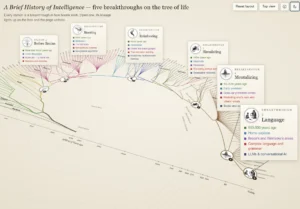
A Brief History of Intelligence by Max Bennett traces how brains evolved, from the first reflexes to language. It’s a brilliant synthesis of brain evolution — the regions, their functions, and how they stack — and the perfect entry point into AI, deep learning, and robotics. A must-read for anyone curious where intelligence comes from.

Our interactive tree of life lets you navigate the book’s five breakthroughs directly on the evolutionary map — an intuitive feel for when each happened and its impact.

Read More »
The Odyssey -- A living map and a summary

The Odyssey, by Homer (Book summary)

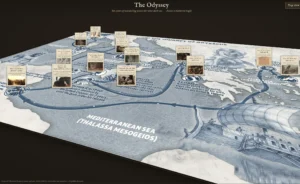
The Odyssey is 3,000 years old — its lessons on ego, temptation and leadership are due today. Explore Ulysses’ adventures of the voyage on a living map: your spatial memory will hold what a summary never could. Pick a station and sail.

Read More »
The Beginning of Infinity, David Deutsch (book summary9

The Beginning of Infinity, by David Deutsch (Book summary)

Interactive summary of The Beginning of Infinity by David Deutsch — one of those rare books that doesn’t just make you think, it changes your mind. It’s highly recommended by several leading thinkers. I’ve lived with this book for about a year now — listened to the audiobook twice, read it cover to cover, and took several hundred highlights along the way. The summary is made to be explored, not just read: a word cloud of key terms, hand-picked images, a section on the debates the book reframes, and more — all fully interactive and easy to navigate.

Read More »
Human Action (Book Summary)

Human Action, by Ludwig von Mises (Book summary)

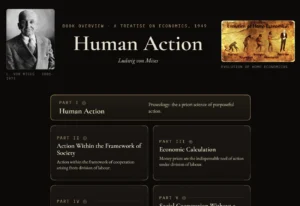
Ludwig von Mises’ Human Action (1949) is one of the great works of economics — the definitive case for the free market, sound money, and why central planning can’t calculate. But it’s 1,400 dense pages, and most readers never finish. This interactive summary strips it to the bare argument: start with the whole book at a glance, then zoom into any part or chapter, down as deep as you want to go. The classic, made graspable.

Read More »
Brave New World

Brave New World, by Aldous Huxley (Book summary)

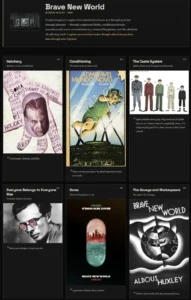
Huxley imagined a regime that controls its citizens not through pain but through pleasure — through engineered births, conditioned minds, manufactured castes, severed intimacy, chemical happiness, and the abolition of suffering itself. A regime can control you better through what it lets you have than through what it forbids.

Read More »
1984, by George Orwell (Book summary)

1984, by George Orwell (Book summary)

The classic dystopia. Orwell’s warning was not about any one regime but about the institutions humanity might build to crush itself — a state that watches every gesture, rewrites every record, and demands not just obedience but belief. In many respects, his predictions read more relevantly today than they did in 1949.

Read More »