
Read to Learn

Find useful tools and techniques that help you become a better reader and learner.

Two Ways to Read a Book

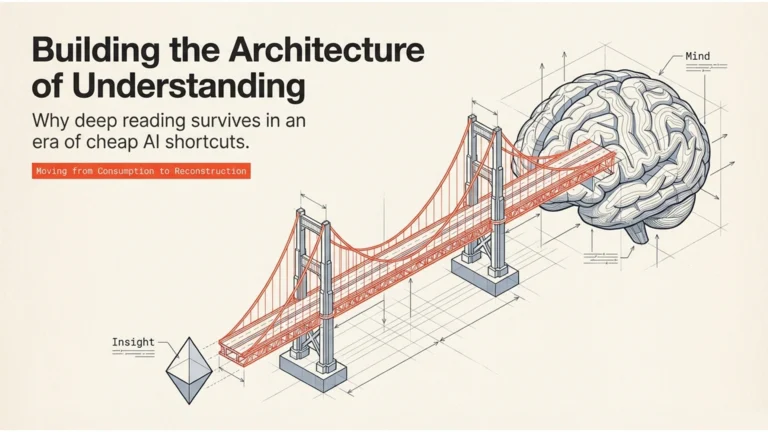
The Book You Read vs. The Book You Query

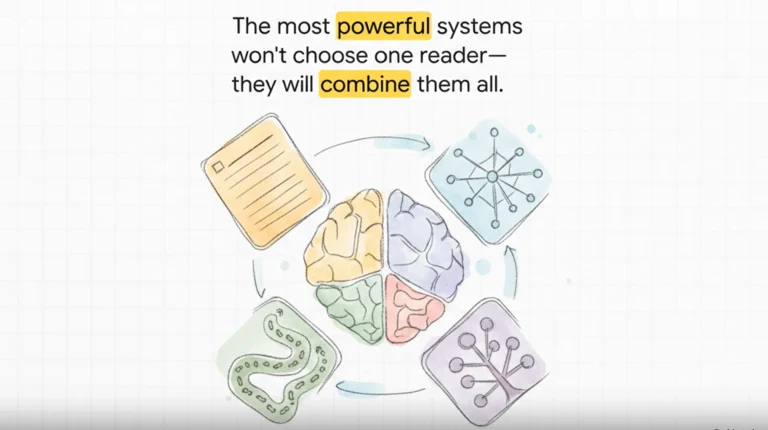
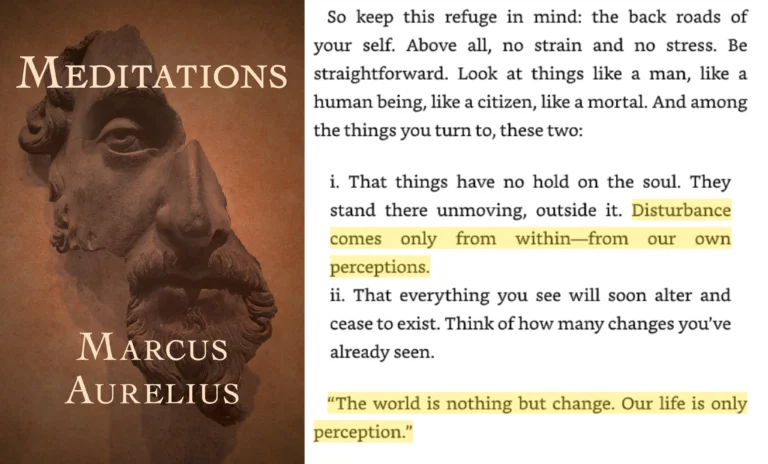
There are two ways to know a book. One changes how you think. The other gives you answers to concrete problems. Most people drift toward one or the other. Combining the two is where you stop consuming knowledge — and start creating it.

Learn more >
Claude Code bringing my Reading to Life

How I Bring My Reading To Life with Claude Code

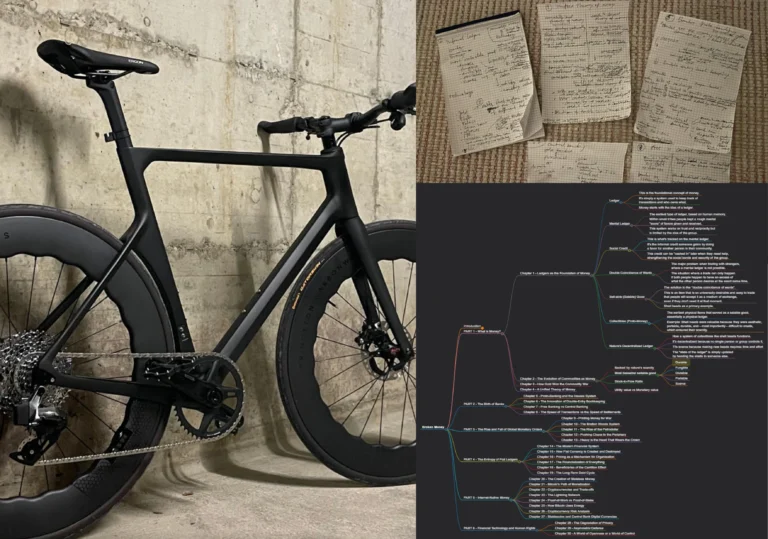
My books should work for me. Not sit passively in highlights waiting to be searched, but actively remind me of what I’ve read in the right moment, suggest connections I haven’t seen, and help me apply what I’ve learned to real problems. Here’s how I built that system with Claude Code.

Learn more >
Topic Memos Across All Your Books

Topic Memos Across All Your Books: New Cross-Library AI Features in Development

Your reading history contains years of insights, but they’re scattered across dozens of books. When you need to pull together everything you know about a topic, those highlights feel unreachable.
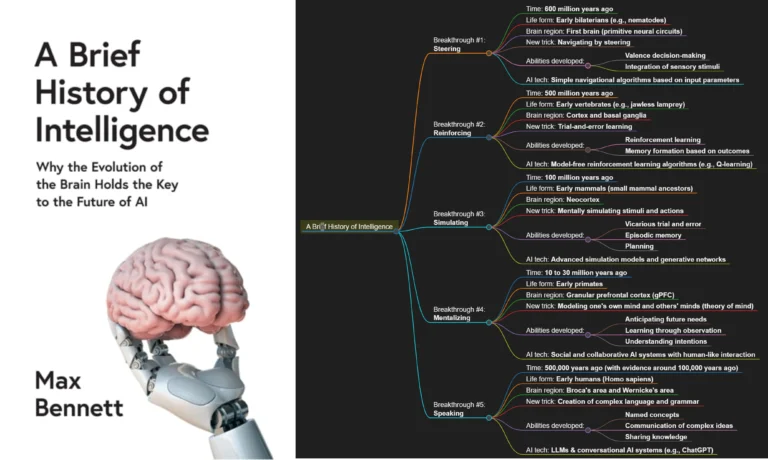
We’re building new cross-library AI workflows for DeepRead that transform this scattered knowledge into structured outputs. Through guided conversations, the AI helps you generate topic memos or mind maps that synthesize insights from across your entire library. The key difference from traditional AI chat: the system has persistent access to your complete reading history, not just what you upload. Every interaction creates something tangible and makes your knowledge system more valuable.
We’re developing these workflows now and looking for early users to test features and share ideas.

Learn more >
Kindle Highlights For AI

Kindle Highlights for AI: Transform Reading into Knowledge

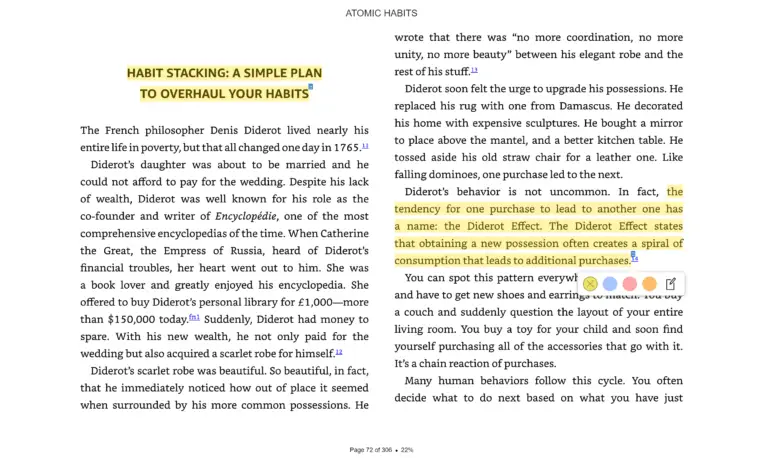
Systematic highlighting is hard work—but it unlocks four powerful ways to engage with books through AI.

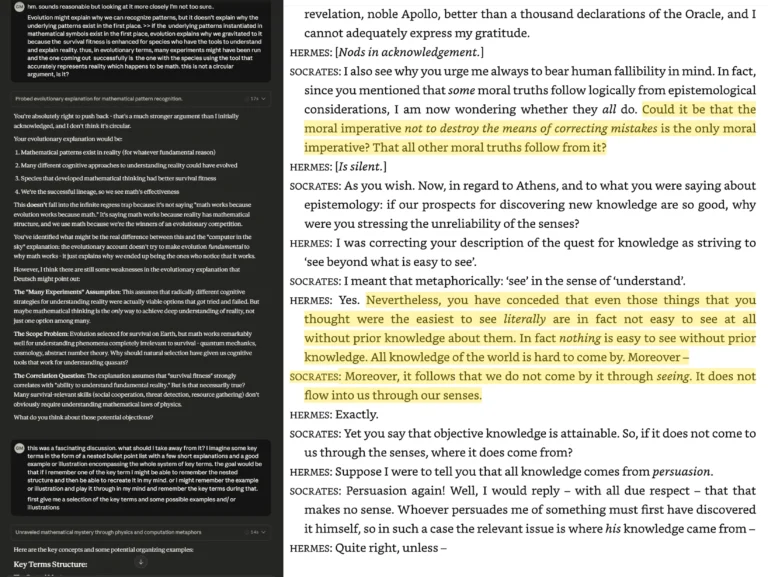
Each workflow creates a tangible artifact—not just another chat that disappears. This article shows you these workflows: building mind maps, generating meaningful flashcards, challenging the author’s arguments, and capturing insights with visual connections. I’ll explain why comprehensive highlighting—the Composer strategy from my previous article—makes all of this possible. We’re also exploring how to bring these workflows into DeepRead.

Learn more >
Design Elements of Books

Design Elements That Turn Books from Content Delivery into Learning Systems

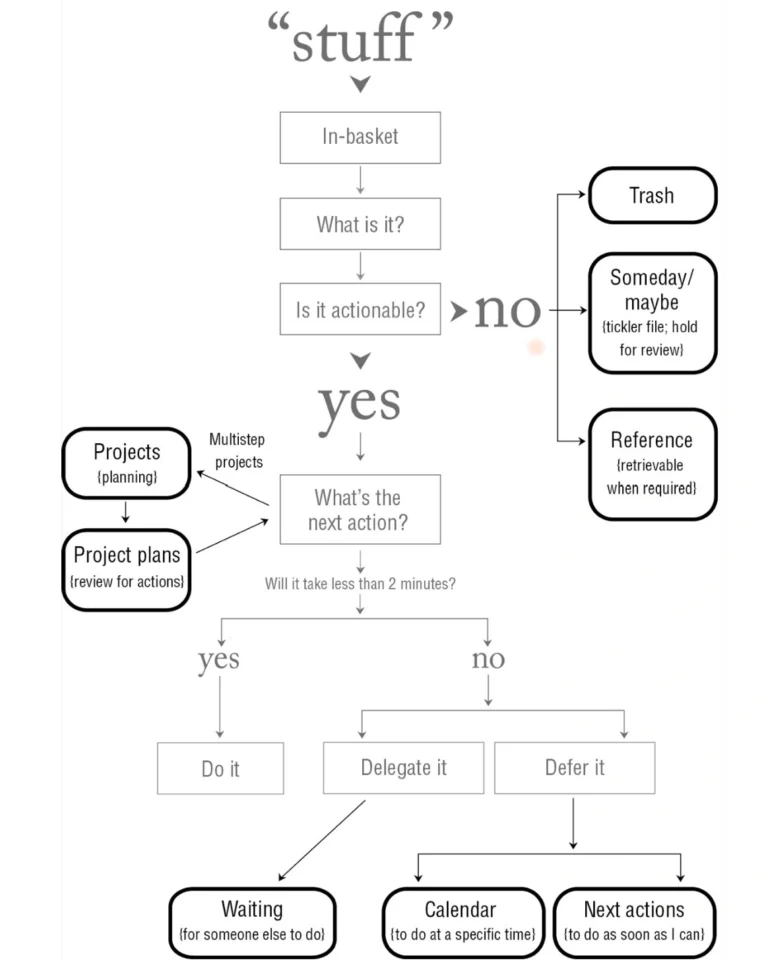
Some books function as learning systems rather than mere content delivery vehicles. They do this by using design elements such as quotes at the start of chapters, highlighted questions within the text, or chapter summaries at the end. These elements create a reading architecture that guides you through three phases: preparation, exploration, and synthesis. The real power lies in actively using these elements to transform any book into your personal learning laboratory. This way every book becomes an expedition where you decide what to discover and take home.

Learn more >
Book Club

Book Clubs of the Future: Connecting Your Reading to the World’s Conversations

The best book discussions aren’t happening in traditional book clubs—they’re scattered across Reddit threads, X debates, and comment sections, but we’re missing them because we don’t know how to connect our reading insights with ongoing conversations. This article explores how to create “book clubs of the future”: time-independent, globally scaled discussions where your specific book insights connect with current debates happening across the internet. You’ll discover existing platforms where these conversations are already taking place, see real examples of authors and readers successfully applying book knowledge to current events, and learn practical steps to start participating today.

Learn more >
UI of the Conversational AI Learning Workflow

Coming up: Conversational AI That Turns Learning From Books Into Play

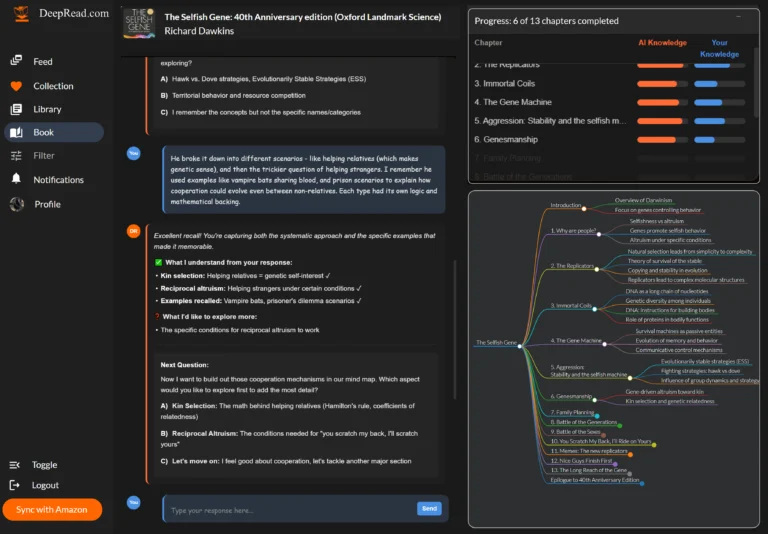
You’ve just finished a fascinating book, but within days those brilliant insights start slipping away—scattered, inaccessible, lost. You know you’re losing something valuable, but organizing it feels like too much work. What if securing those fleeting insights could actually be fun? What if a simple conversation could turn your scattered highlights into a structured mind map, sparking new connections and ideas you hadn’t even noticed? Our new conversational AI approach transforms the tedious work of knowledge management into an engaging dialogue that makes your insights stick. This feature is on our roadmap, and we’d love your feedback as we design it.

Learn more >
AI as Your Co-Worker

Audiobook with AI Co-Working: My New Learning Workflow

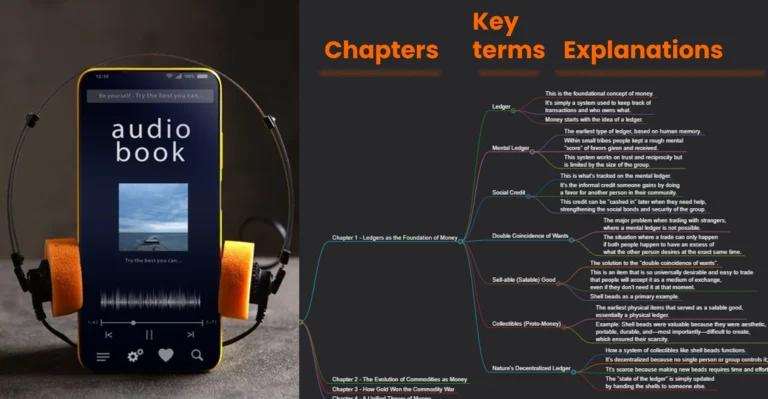
During my experiment to actively learn from audiobooks, I have started using AI to transform my pile of scribbled notes into a lasting knowledge graph. Now, I have discovered something counterintuitive: the best way to use AI for learning isn’t to let it summarize content for you, but to make it your co-worker in transforming your own imperfect recall into structured knowledge. Instead of asking AI to understand the book, I ask it to help me understand what I’ve understood—and the results are transforming my relationship with audio learning.

Learn more >